Yes, it has been a shamefully long time since I last blogged. Life here on the farm just requires way more time than we ever seem to have. The brutal winter didn’t help much, as we shifted between trying to prevent ice damage and frozen pipes, and endless hours of snow shoveling. (Worst of all: where to put all that white stuff??)
Thankfully we believe the winter is over and gone, and we are appreciating somewhat warmer days and (for now, at least) rain instead of snow. I was, however, able to use some of those no-electricity days and too-tired-to-work evenings to keep up with some knitting projects.
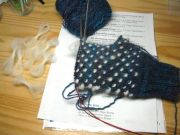
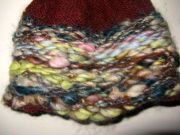
Naturally I started about ten new ones, too, so I’m just now (and very slowly) finishing them off one by one. Here are a few of the off-the-needles-at-last efforts. (Click on photo to enlarge, and to find out what these are.)

![Scarf/shawl: Elaborated Print O' the Wave pattern by Eunny Jang, from her Craftsy class "Lace Knitting: Basics and Beyond". Yarn is Interlacements Irish Jig [African Violets].](https://srcgchs.files.wordpress.com/2014/05/img_3388.jpg?w=298&resize=298%2C298&h=298#038;h=298&crop=1 "IMG_3388")


 I have recently fallen head over heels in love with








 Grace-full Thoughts